
With housing still the Government's number one priority, Budget 2027 has a clear message for property owners: use what you've got. If you can make room for someone to live, you'll be rewarded, and if you leave a building to fall into ruin, it's going to start costing you.
Whether you've a spare bedroom, room in the garden for a small unit, or a property or site that's been sitting idle, there's something here for you. Here at Gilheany & co , we've set out what's changing and what it could mean in practice.
Spare rooms: earn up to €16,000 tax-free
The Rent-a-Room scheme lets you rent out a room in your own home and keep the income free of income tax, USC and PRSI. In Budget 2027, that limit rises from €14,000 to €16,000.
That's an extra €2,000 a year you can earn without paying a cent of tax on it. With rents where they are, it could make renting out a room, to a student or a young worker, well worth considering.
A few rules to keep in mind:
- It has to be your own home. The room must be in the property you live in as your main residence.
- Stay under the limit. If your total rent-a-room income goes over €16,000, the whole amount becomes taxable, not just the part above the limit.
- Longer-term lodgers only. Short-term guest lets, like holiday rentals booked through online platforms, don't qualify.
- You still need to tell Revenue. Even though there's no tax to pay, the income has to go on your tax return.
Garden units: now covered by the relief
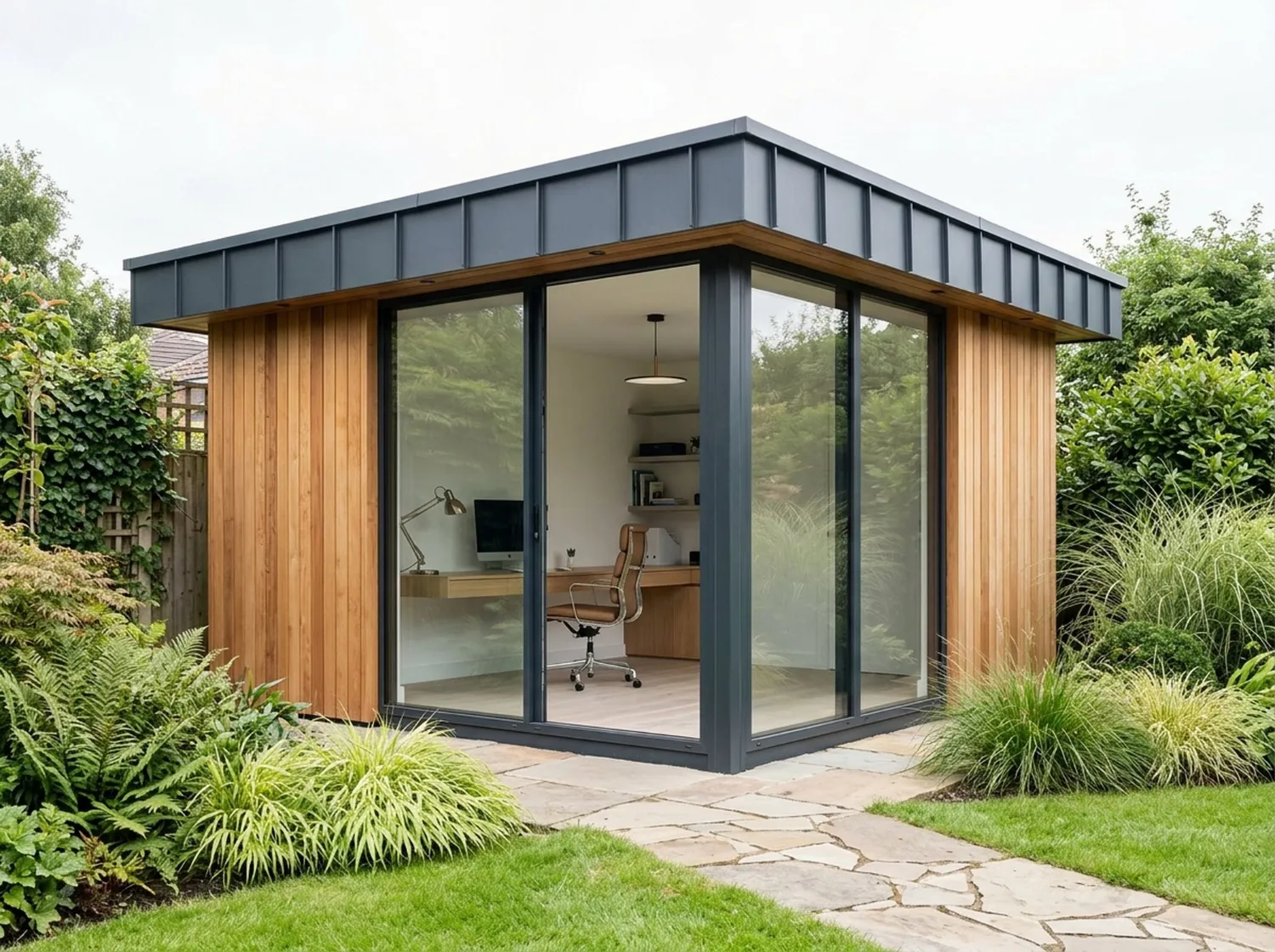
Earlier this year, new planning rules made it easier for homeowners to put a detached unit in their garden, sometimes called a granny flat or garden cabin. Budget 2027 now brings these units into the Rent-a-Room relief too.
The relief will cover newly installed detached units of between 32 and 45 square metres in the grounds of your home. Better still, it's backdated to 27 July 2026, when the new planning rules came in, so anyone who's already put one in won't miss out.
If you've been thinking about adding a unit to rent out, this makes the sums a lot more attractive. It's worth checking the planning rules, building standards and your insurance before you start, and talking to us about how the income will be treated.
Derelict buildings: a new tax is on the way
Derelict properties are a sore point in towns and villages all over the country, and the Government wants them brought back into use. A new Derelict Property Tax will be set up in this year's Finance Bill, at a rate of 7%.
Local authorities will identify derelict properties, with work starting in January and the first draft registers published on 1 September 2027. Revenue will then collect the tax, and the Minister has said it will use its full range of powers to make sure it's paid.
The aim is simple: encourage owners to either do the property up or sell it to someone who will. If you own a building that's been empty and run down for a while, now is the time to make a plan, with more detail on how the tax will be calculated due in the Finance Bill.
Zoned land: another chance at an exemption
The Residential Zoned Land Tax applies to land zoned for housing and ready for development. If you own land that's been zoned residential but you're genuinely using it for something else, such as farming or running a business, you'll get another chance in 2027 to ask your local authority to have it rezoned and so avoid the tax.
Making the most of your property
Whether you're thinking about taking in a lodger, building in the garden, or deciding what to do with a property that's been sitting empty, the tax side can make a real difference to whether it's worth doing. The team at Gilheany & co can help you weigh up your options and make sure you get any relief you're entitled to, so just get in touch.
